A well-tuned HVAC system keeps a house comfortable through the extremes that Southern Illinois can throw at you: humid summers, cold snaps that creep below freezing, and the pollen season that clogs filters and coils. For homeowners in Wood River IL, attention to seasonal maintenance and timely repairs is the difference between a quietly efficient system and one that fails on the hottest day of July or the first commercial AC installation Wood River bitter night of December. I have worked alongside HVAC technicians and managed service schedules for years, and what follows is practical, experience-driven guidance: what to watch for each season, how to decide when to repair versus replace, and how to find a dependable HVAC contractor in Wood River who will stand behind their work, like B & W Heating & Cooling does for many local clients.
Why seasonal care matters Neglect multiplies faults. A tiny refrigerant leak left unchecked will blow compressors within a season, and a dirty evaporator coil can increase energy use by 10 to 30 percent. Those are not abstract numbers. I once saw an attic unit with a plugged condensate drain flood three bedrooms after one heavy storm, and the insurance paperwork alone could have paid for a mid-range replacement system. Routine seasonal checks prevent cascades of damage, preserve warranty coverage, and save several hundred dollars per year in energy costs on many mid-size homes.
Spring: prepare the cooling side Spring is the time to reverse winter compromises and ready the system for sustained cooling. Start from the outdoor unit. Clear debris, cut back vegetation so there is at least 2 feet of clearance around the condenser, and hose off the fins gently so you do not bend them. Inside, change or clean filters, then inspect the evaporator coil, condensate drain, and blower assembly. A clogged condensate line is the most common cause of mid-season service calls; a simple wet-vac or a short follow of enzyme cleaner prevents standing water and mold growth.
Run the air conditioner in early spring before you actually need it for a day or two. Listen closely. A squeal or metallic rattle coming from the compressor often signals a bearing problem or a failing capacitor. If the system struggles to reach setpoint, compare the return air and supply air temperatures. A properly sized and healthy system typically has a 14 to 18 degree Fahrenheit temperature drop across the evaporator coil under steady-state conditions. Much less than 12 degrees suggests low refrigerant charge, restricted airflow, or a failing compressor. Those issues call for a professional with proper gauges and refrigerant handling certification.
A practical tip: when an HVAC pro arrives for AC repair in Wood River IL, have your thermostat settings and any recent service records ready. Technicians can diagnose faster and avoid repeated trips when they know the model history and recent complaints. B & W Heating & Cooling technicians I know appreciate customers who keep a short log; it shortens diagnosis time and reduces cost.
Summer: respond fast, use judgement Summer is when small problems become emergencies. A fledgling refrigerant leak will show up as reduced cooling capacity and rising electric bills. Pay attention to energy use: if your monthly cooling cost jumps by 15 percent or more without behavioral changes or outdoor temperature differences, investigate. Also watch for humidity problems inside the house. Persistent clamminess with the system running often points to oversized units that short cycle, or to failing dehumidification modes in modern systems.
Deciding whether to repair or replace in summer requires balancing immediate need against lifecycle economics. If the unit is under 10 years old and the compressor is failing but the cabinet and coils look clean, a compressor replacement may be justified. If the unit is older than 12 to 15 years and requires a major component swap, replacement yields long-term savings through higher efficiency, better refrigerants, and longer warranties. Expect sensible contractors to provide a clear comparison: repair cost, expected remaining life if repaired, and replacement cost with efficiency estimates and payback assumptions. Trustworthy HVAC repair in Wood River will not simply push the most expensive option.
Fall: heat readiness and safety checks Fall is about the other half of the system: heat. For gas furnaces, inspect the heat exchanger for visible cracks and the burner assembly for soot or corrosion. Dirty burners and a failing heat exchanger increase carbon monoxide risk. If your furnace produces unusual odors on startup or the pilot flame is irregular, schedule a professional inspection immediately. For electric heat pumps, winter preparation is mostly about verifying reversing valves and defrost cycles. Many heat pump failures are seasonal and show up as insufficient heat while defrost is stuck.
A good fall maintenance visit will include testing safety controls, verifying proper venting for combustion appliances, and calibrating the thermostat. Programmable controls that were valuable in summer remain useful through winter: correct setback programming can save 5 to 15 percent on heating bills without sacrificing comfort. I once met a homeowner who reduced winter bills by nearly 12 percent simply by switching to a lower overnight temperature and tuning the system for longer, shallower heat cycles.
Winter: emergency planning and efficiency Winter calls for both preventive care and preparation for outages. Heat emergencies qualify as life-safety events in colder months; make sure you have a backup plan and a reliable HVAC contractor on call. For homes using heat pumps, understand the backup electric resistance heat zone. Those heaters can spike bills if they run frequently; excessive use often indicates refrigerant issues or a defrost cycle malfunction.
Keep the outdoor unit free of snow and ice buildup. A common mistake is AC maintenance in Wood River IL piling snow against the condenser, which restricts air flow and can freeze the coil. Shelter the unit from prevailing winter winds if possible, while preserving airflow and access for service. If your furnace uses natural gas, have carbon monoxide detectors on each level near sleeping areas and test them monthly through winter. Replace batteries in early fall, not after the first alarm goes off.
When to call a pro: a short checklist
- loss of heat or cool for more than a few hours when temperatures are extreme unusual noises such as clanking, screeching, or sudden bangs from the unit persistent odors or signs of soot around combustion appliances water pooling near indoor components or significant icing on outdoor coils
These signs demand immediate attention. Small repairs can often be done same day, but compressor replacements or full-system installs typically require ordering parts and scheduling, so early calls in a season improve response times.
Choosing a local HVAC contractor in Wood River Choosing the right contractor reduces anxiety and expense. Look for technicians who carry manufacturer certifications for installations and repairs, who display licensing and insurance, and who offer written estimates. Beyond credentials, pay attention to communication. A contractor who explains options, shows the broken part, and walks you through a conservative repair versus a replacement earns trust.
B & W Heating & Cooling is a name homeowners in the Metro East will likely encounter. They operate with local service crews, keep parts inventory for common equipment, and back installations with labor warranties alongside manufacturer coverage. When an installer can explain expected seasonal energy use, projected savings from higher efficiency models, and clear maintenance plans, you will know you are working with a professional who thinks like an owner, not a salesperson.
Cost considerations and realistic budgeting Expect simple repairs such as capacitor replacement, relays, or thermostats to range from roughly $150 to $450, depending on labor and parts. More substantial repairs, like compressor replacement, typically run from $1,000 to $2,500 or more depending on system size and refrigerant type. Full replacement of central air or heat pump systems for an average single-family home generally falls between $4,500 and $9,500, but high-efficiency systems and complex duct modifications push the price up. Those figures depend on local labor rates, brand choices, and ductwork condition. Always get a written breakdown so you can compare apples to apples when you receive two or three estimates.
Trade-offs are real. A higher efficiency unit costs more up front but reduces energy bills and often qualifies for rebates that offset part of the price. If your ductwork is leaky or undersized, a high-efficiency air handler will not solve comfort problems on its own. I recommend allocating about 10 to 15 percent of replacement budget to duct improvements when ducts are older or visibly compromised.
Ductwork, indoor air quality, and filters Ducts are the plumbing of air. Poorly sealed ducts can waste 20 to 40 percent of conditioned air in some homes. Duct sealing, added insulation in unconditioned spaces, and properly sized returns transform system performance more than an extra 2 SEER points on a new condenser. For indoor air quality, change filters every 1 to 3 months depending on MERV rating, pets, and local pollen counts. Homes with allergy sufferers benefit from MERV 8 to 11 filters; anything above MERV 13 will require a system and blower rated for higher static pressure. Standalone air cleaners and UV lights reduce biological growth on coils and in drains, but maintenance and bulb replacement cycles should be part of any purchase decision.
Common myths dispelled Myth: Bigger equals better. Fact: Oversized systems short-cycle, reduce humidity control, and wear out faster. Correct sizing involves load calculations, not rules of thumb. Myth: I can save by delaying maintenance. Fact: Skipping yearly checks often results in 2 to 3 times higher repair bills later and shortened equipment life. Myth: All technicians offer the same quality. Fact: workmanship varies. Look for detailed estimates, written warranties, and technicians who test and document performance after service.
Scheduling and what to expect on a service visit When you schedule seasonal maintenance, expect the technician to follow a checklist: inspect and clean coils, test refrigerant pressures and electrical components, verify airflow and blower performance, test thermostat accuracy, and inspect safety controls. The technician should present findings before leaving, show any problematic parts, and provide an estimate for recommended work. If filters were dirty and replaced during the visit, save the old ones briefly for warranty purposes. Many contractors, including reputable local companies, offer maintenance plans that include two visits per year and priority scheduling. Those plans often pay for themselves by reducing emergency service fees and keeping warranty coverage valid.
Anecdote from the field I recall a house where the homeowner called only after the upstairs had been warm for weeks. The technician arrived, found a sagging flex duct behind the return plenum that had lost its collar connection, and fixed it with proper metal takeoffs and sealed seams. The result was instant, balanced airflow and a 30 percent improvement in upstairs comfort without replacing any equipment. People assume expensive replacements are the only solution, but competent diagnostics frequently reveal straightforward fixes that dramatically improve comfort.
Long-term planning and replacement timing Think in seasons and in years. If your system is over 10 years old, start budgeting for replacement now. Efficiency standards and refrigerant types have changed, and systems older than a decade will likely cost more to repair over time. Plan replacements for moderate weather windows in spring or fall; installers can work quickly, part deliveries are faster, and you avoid the heat-related emergency premium that sometimes appears in July.
For major projects, get at least two written bids, ask for references or local project photos, and verify permits. Proper installations require matching refrigerant lines, correct liquid line drier sizing, proper airflow across the coil, and correct refrigerant charge measured by superheat or subcooling depending on the system. A good contractor will document these numbers and give you equipment serials and warranty paperwork.
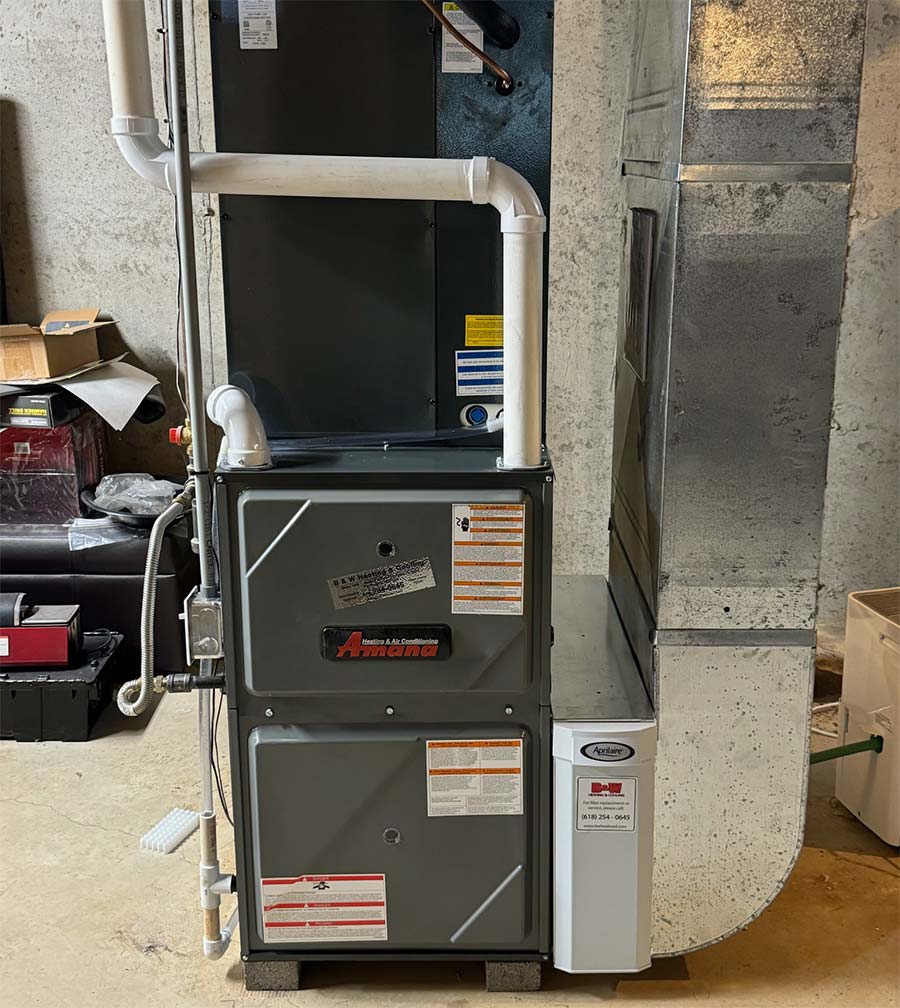
Final note on trust and follow-through A contractor’s reputation is built on follow-through. Warranties matter, but so does how a company responds when something goes wrong months later. Local contractors who keep their vans stocked and return calls promptly save you stress. If you prefer a specific name, B & W Heating & Cooling is a known local presence; talk to neighbors, read recent reviews, and ask for references from similar homes. The right professional relationship means fewer emergency calls and more predictable comfort year-round.
Seasonal attention, sensible choices, and a reliable local contractor are the three pieces that keep your HVAC system running efficiently and quietly. Take a season to get ahead of problems, treat maintenance as preventive medicine, and you will avoid the repair rush and the costly breakdown that never happens at a convenient hour.
B & W Heating & Cooling
3925 Blackburn Rd, Edwardsville, IL 62025
(618) 254-0645
[email protected]
Website: https://www.bwheatcool.com/